


There’s something special about stepping into a home that reflects the personality, passions, and creativity of the people who live there. In 2025, DIY culture has become more than a hobby; it’s a way to personalize living spaces, reduce stress, and build a deeper connection to everyday environments.
Whether it’s crafting décor, customizing storage, or experimenting with innovative materials, homeowners are discovering how small, hands-on projects can transform a space. Many are even upgrading their tools and supplies by exploring professional-grade options such as PLA Pro, which help turn simple ideas into polished, functional pieces. The result is a home that feels intentional, expressive, and uniquely yours.
Why Personalization Matters More Than Ever
As people spend more time at home working, relaxing, cooking, and entertaining interior spaces carry greater emotional meaning. Homes have become extensions of identity. When a room reflects your style, your hobbies, or your story, it naturally feels more grounding and welcoming.
DIY projects make personalization accessible. You don’t need a full renovation or expensive designer furnishings to create a meaningful space. Instead, small creative details, custom shelving, handmade lighting, restored wood pieces, or personalized wall art add emotional depth. These projects also encourage a sense of ownership and pride that store-bought décor often can’t replicate.
The home becomes less about trends and more about connection.
How DIY Projects Build Confidence and Creativity
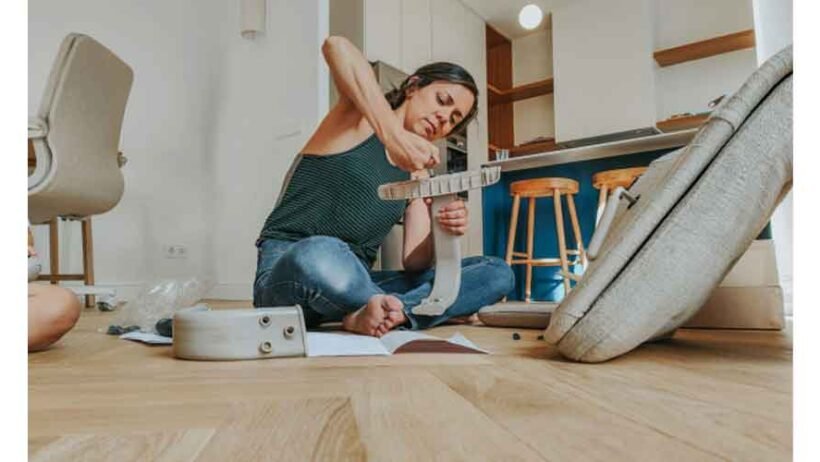
One of the reasons modern DIY is so popular is that it empowers people to experiment. Anyone can start small: repainting a thrifted chair, building a simple planter, or creating customized drawer inserts for a cluttered area. Each project builds skill, problem-solving ability, and confidence.
DIY also encourages creative flexibility. Plans shift, materials behave unexpectedly, and ideas evolve. This fluid process allows homeowners to learn as they go, creating finished pieces that feel far more meaningful than mass-produced alternatives. Even imperfections add charm and authenticity.
According to the National Endowment for the Arts, hands-on creative work has measurable benefits for emotional well-being, reducing stress and improving cognitive resilience benefits that naturally influence how people experience their homes.
The Rise of Modern Materials in DIY Culture
Today’s DIY enthusiasts have access to materials that were once limited to professional workshops. Advanced glues, molding compounds, resin systems, reusable molds, heat-safe plastics, and durable filler products make it easier than ever to craft high-quality results at home.
These materials support a wide variety of projects from lightweight decorative pieces to durable, functional items. With the right supplies, homeowners can create custom drawer organizers, modern wall panels, textured planters, specialty storage pieces, and intricate figurines without relying on expensive machinery.
The growing interest in modern materials reflects a shift toward longer-lasting DIY projects that prioritize quality, durability, and design.
Bringing Texture Back Into Home Design
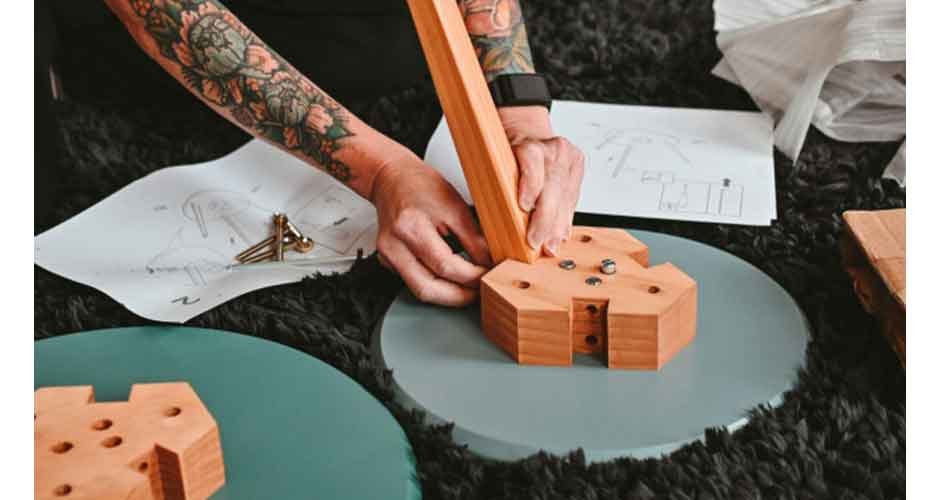
Texture is one of the most overlooked design elements, yet it’s one of the easiest to enhance through DIY projects. Plaster art, textured wall hangings, handmade pottery, and carved wood accents add dimension and warmth.
People enjoy crafting textured décor because it feels both artistic and functional. Whether smoothing plaster over a canvas, carving soft grooves into wood, or creating organic-shaped sculptures, texture adds a softness that makes a room feel more lived-in and layered.
These tactile elements encourage people to slow down, interact with their space, and appreciate craftsmanship in everyday items.
DIY Projects That Combine Beauty and Practicality
Modern DIY trends lean toward projects that solve problems while improving aesthetics. A beautifully stained wooden tray can organize counters. A handmade pegboard can modernize a workspace. A custom planter wall can add greenery while freeing up floor space.
These multifunctional pieces show how DIY can reduce clutter and enhance style at the same time. They support intentional living surrounding yourself only with items that have meaning, purpose, or beauty.
Practical DIY projects also help homeowners adapt their spaces to changing habits: remote work, hobbies, home workouts, pet care, or creative pursuits all benefit from customized solutions.
Outdoor DIY Projects Growing in Popularity
More people are extending personalization to outdoor spaces. Small patios, gardens, and balconies are becoming sanctuaries, enhanced through simple projects like:
- Custom-built benches or seating
• Handmade planters or vertical gardens
• Outdoor lighting installations
• Decorative privacy screens
These projects make even compact outdoor areas feel intentional and inviting. They also create natural gathering spaces for family, friends, or quiet solo mornings.
Outdoor DIY often becomes a gateway to larger projects, as homeowners gain confidence and begin experimenting with bolder designs.
Why DIY Encourages Sustainable Living
Many people embrace DIY as a way to reduce waste. Instead of throwing away old furniture or buying new décor, they repurpose thrifted items, rebuild worn pieces, and upcycle materials into something fresh and meaningful.
Sanding, staining, painting, reupholstering, and restructuring furniture can extend its lifespan by years. Using modern compounds, fillers, and sealants can repair or strengthen items that once seemed beyond saving.
Sustainability doesn’t always require huge lifestyle changes, sometimes it’s as simple as giving an existing item a second life.
Creating Spaces That Reflect Who You Are
Ultimately, modern DIY is about self-expression. Every project whether small or complex carries a piece of the creator’s personality. A hand-painted mural shows artistic flair. A custom coffee table reveals craftsmanship. A unique sculpture or textured canvas says something subtle about your aesthetic.
Personal DIY projects also become conversation starters, memories, and emotional touchpoints within the home. Guests can sense when a space is genuinely personal rather than curated from a catalog.
A handmade home feels lived-in, loved, and authentic.
The Emotional Payoff of Personalized Projects
DIY doesn’t just transform a home it transforms how people feel inside it. Every project tells a story of creativity, problem-solving, and personal growth. Even the time spent crafting becomes part of the home’s emotional landscape.
These projects anchor memories: the late-night creation of a wall piece, the discovery of a new material, the laughter shared while assembling something with a partner or friend.
And when you look at the finished piece, something you built with your own hands, the pride is immediate and lasting.
This emotional resonance is one of the reasons DIY is no longer just a hobby but a permanent part of modern home culture.