


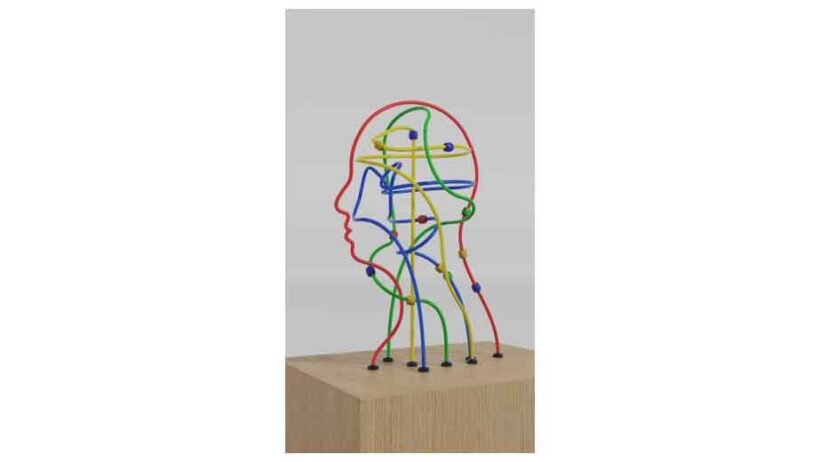

Mental health is not a side project. It is woven into our homes, classrooms, workplaces, and communities, shaping how we learn, connect, and care for one another. The more we treat it like everyday health, the sooner we close the gap between what people need and what they actually receive.
How Social Work Shapes Mental Health Care Today
Social workers sit at the front line of mental health, guiding people through systems that can feel confusing and cold. The VCU blog on social work and mental health lays out how practitioners blend counseling skills with case management, policy insight, and community partnership – and why that mix matters when someone is struggling. They are trained to look beyond symptoms, linking clients to food support, housing help, school services, and legal advocacy so treatment is realistic, safe, and sustainable.
In practice, that means screening early, coordinating across clinics and schools, and following up so people do not fall through the cracks. It means trauma-informed care that respects culture and identity, and it means being present in crisis while planning for long-term stability. Put simply, social work keeps mental health care human and connected to real life.
Access Still Isn’t Equal – Why Place and Poverty Matter
Where you live often shapes whether you can find care at all, and poverty widens that gap in quiet but powerful ways. Rural counties may have few therapists, long drives, and spotty broadband, while many low-income urban neighborhoods face overloaded clinics, limited appointment slots, and months-long waitlists. Out-of-pocket costs, high deductibles, and confusing insurance rules can turn a first visit into a financial gamble, and without paid time off or reliable transportation, even a confirmed appointment can slip away.
Language access, cultural fit, and trust also matter – if services do not reflect a community’s values or provide interpreters, people are less likely to return. Child care and rigid work schedules create extra hurdles for parents and shift workers who need evening or weekend options. Telehealth helps some, but it does not solve everything when there is no private space at home, data plans are limited, or video platforms are hard to use on older phones. Real equity means investing in local providers, community settings, and low-tech options like phone visits, while simplifying paperwork and insurance so getting help feels possible, not punishing.
Whole-person Care Beats Symptoms-only Thinking
Anxiety, depression, and trauma rarely live alone – they braid together with money stress, food insecurity, unstable housing, discrimination, and chronic pain, and if we treat only the feelings, we miss the forces that keep those feelings alive. Whole-person care starts by asking broader questions about sleep, safety, caregiving, and work, then builds plans that link therapy with concrete supports like benefits navigation, housing referrals, and transportation vouchers so progress is possible on a busy Tuesday, not just in session.
It also means aligning the circle around a person – primary care, school staff, employers, faith leaders, and trusted family or peers – so medication, coping skills, and real-life accommodations reinforce each other instead of competing for time and energy. When people are seen in context, they use care more consistently, recover faster, and are more likely to stick with the habits that sustain mental health, because treatment stops feeling like homework and starts feeling like life getting easier.
Telehealth Helps – but Not Everyone Benefits

Virtual visits made therapy more flexible, cutting travel time and opening doors for people with mobility or caregiving limits. Many clinics now use blended models so clients can choose video, phone, or in-person appointments. That choice matters for privacy, work schedules, and comfort.
Still, research from 2024 found that telehealth did not reliably improve access for patients in high-deprivation areas, pointing to technology gaps and other barriers that blunt the promise of virtual care. The takeaway is simple – telehealth is powerful, but it is not a replacement for building local capacity, improving broadband, and offering low-tech options like phone visits when video is out of reach.
Community Supports that Actually Move the Needle
Lasting progress happens when care extends beyond the clinic and into daily life. Programs that pair therapy with social connection and practical tools give people more ways to cope and recover. Communities can invest in supports that are proven, scalable, and welcoming.
Try organizing around these building blocks:
- Peer support groups that reduce isolation and share lived wisdom
- School-based services that catch problems early and help families navigate care
- Flexible crisis response that sends trained teams instead of defaulting to law enforcement
- Culturally responsive providers and interpreters so that language is never a barrier
- Safe community spaces for youth to decompress, learn skills, and practice calm
Each piece might sound small on its own, but together they add up to a safety net people actually feel.
Making Mental Health a Daily Practice
Prioritizing mental health is not only about finding a therapist. It is also about shaping days that protect your energy and focus. Start with simple anchors like regular sleep, steady meals, and some movement you actually enjoy – a walk with a friend counts. Add quick stress resets you can use anywhere, such as box breathing, a 5-minute stretch, or writing down the top three worries so your mind is not carrying them alone. Set clear edges around screens and news, and pick a few time windows to check messages so your brain is not on constant alert.
Relationships matter too – schedule small check-ins with people who help you feel seen, and let them know how to support you when days get heavy. Build a calm corner at home with a chair, a light, and a notebook, and visit it for a few minutes each day. Track what helps and what drains you, then adjust without guilt – this is practice, not perfection. Over time, these small moves link together like rungs on a ladder, giving you a steadier footing when life gets rough.
Mental health touches everything we value – our families, our learning, our creativity, and our sense of purpose. When social workers, clinicians, schools, and communities pull in the same direction, people get care that fits real life. Keep your routines simple, your supports close, and your expectations kind. You are allowed to start small and start today.