


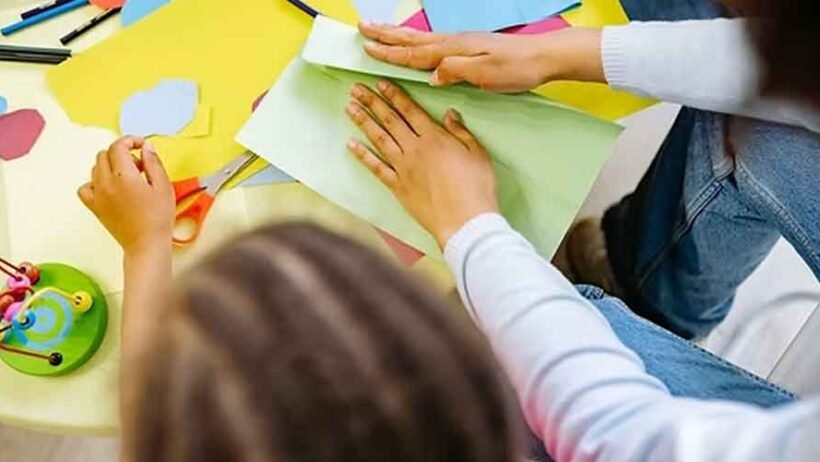

Art provides children with an outlet to express their thoughts and emotions through color, texture, and form. It builds imagination, strengthens fine motor skills, and nurtures creative problem-solving. A well-structured art plan at home can shape a child’s confidence and appreciation for creativity.
A homeschool art curriculum should balance skill development and creative freedom. When the right elements come together, they create a learning experience that is both engaging and purposeful. Here are six essential components that help build a strong foundation for young artists at home.
1. Clear Learning Goals And Progression
Clear goals set direction for every lesson. Defined objectives help children and parents understand what needs to be achieved during each stage of learning. They can cover areas like color blending, composition, or understanding light and shadow.
Progression creates a natural path for improvement. It ensures students move from simple projects to more detailed ones. When each skill connects to the next, learning feels smooth and achievable. A structured flow gives children confidence as they see visible growth in their artwork.
2. Diverse Artistic Techniques And Media
Introducing a range of materials and tools makes art exploration more enriching. Exposure to multiple techniques develops creativity and flexibility in artistic expression.
- Paints and Brushes: Encourage students to use watercolors, acrylics, and tempera to explore texture, blending, and layering.
- Drawing Tools: Provide pencils, charcoal, and pastels to teach shading, contour, and depth.
- Sculpture Materials: Introduce clay, papier-mâché, or modeling compounds to enhance spatial understanding.
- Digital Art Tools: Include beginner-friendly software to teach modern forms of design and illustration.
3. Art History And Cultural Connections
Knowledge of art history connects students to the origins of artistic expression. Learning about famous artists and ancient art forms enriches their understanding of technique and style. It introduces cultural diversity and encourages respect for different traditions.
Cultural connections teach context. Students see how social values and historical events shaped art across regions and time periods. This awareness broadens perspective and deepens appreciation for creativity as a reflection of human experience.
4. Skill Development Through Practice
Consistent practice strengthens core artistic abilities. Repetition builds muscle control and visual awareness. Exercises that focus on lines, shading, and proportions refine technique and attention to detail. The more students practice, the stronger their creative instincts become.
Reflection adds insight to technical growth. Evaluating completed work encourages self-assessment and constructive thinking. When students discuss what worked and what can improve, they gain a better grasp of their creative process. Reflection transforms mistakes into learning opportunities.
5. Creativity And Personal Expression
Encouraging creative freedom gives students space to discover their own style. Assignments that spark imagination lead to genuine artistic growth.
- Open-Ended Projects: Let students choose their subject or theme to promote independent thinking.
- Inspiration Boards: Use photos, colors, or nature elements to trigger new ideas and designs.
- Story Art: Encourage visual storytelling through a series of drawings or a single expressive piece.
- Emotion Through Color: Teach how colors convey moods, allowing students to connect feelings to their art.
6. Assessment And Portfolio Building
Assessment provides clarity on progress and growth. Constructive feedback should focus on effort, improvement, and technique rather than perfection. Thoughtful evaluation motivates students to aim higher and refine their abilities.
A portfolio serves as a visual record of development. It collects sketches, completed projects, and notes over time. Reviewing past work allows students to appreciate how far they have come. A portfolio also becomes a valuable reference for future learning goals.
A balanced and thoughtful approach transforms art lessons into meaningful experiences. A homeschool art curriculum that includes structure, technique, creativity, and reflection helps students grow in skill and confidence. When art becomes a consistent part of home learning, it nurtures imagination, appreciation, and lifelong creative growth.