


A home’s plumbing system is one of its most essential components, responsible for delivering clean water, removing wastewater, and supporting daily activities like cooking, cleaning, bathing, and maintaining hygiene. Because plumbing often stays hidden behind walls, floors, and ceilings, many homeowners are unaware of how the system works or what keeps it functioning smoothly. Gaining a basic understanding of plumbing structure, water flow, and drainage helps homeowners make better decisions regarding maintenance, repairs, and upgrades. It also enables them to identify early warning signs of problems before they escalate into costly or disruptive issues. Knowing how the system operates builds confidence and empowers homeowners to care for their property more effectively.
How Water Enters and Moves Through the Home
At the core of every plumbing system is the water supply, which brings clean, pressurized water into the home. This supply typically comes from either a municipal source or a private well. Once the water enters the property through the main line, it travels through a network of pipes to sinks, toilets, appliances, showers, and outdoor spigots. The pressure in the system allows water to move upward to higher floors and reach every part of the home. During this stage, many homeowners rely on trained professionals such as plumbers in Quincy, MA, when they need help addressing supply issues or checking for leaks. Cold and hot water supply lines run separately, with the hot water routed through a water heater before it reaches the fixtures. Understanding this pathway helps homeowners appreciate the importance of water pressure, pipe condition, and supply line integrity in maintaining everyday comfort.
The Role of Drainage and Waste Removal
While the water supply brings clean water into the home, the drainage system safely and efficiently removes wastewater. Drainage pipes rely on gravity rather than pressure, using carefully angled lines that guide water downward toward the main sewer or septic line. Every fixture has a drain connected to these lines, and a proper slope is crucial for preventing backups and slow drainage. To stop sewer gases from entering the living space, plumbing systems include P-traps—curved sections of pipe that hold a small amount of water to block odors. Vent pipes also play a critical role by allowing air to enter the system, which helps wastewater flow smoothly and prevents suction issues. If vents become blocked, drains may gurgle, slow down, or fail altogether. Understanding the principles behind drainage helps homeowners quickly identify symptoms of clogging, pipe damage, or ventilation problems before they grow into larger concerns.
Pipes, Materials, and System Layout
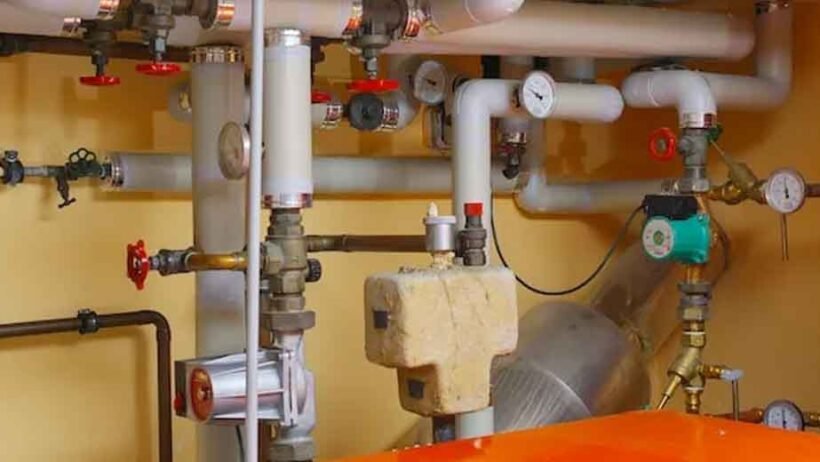
Different parts of a plumbing system utilize various pipe materials, depending on their function, the age of the home, and local building codes. Water supply pipes are typically made from copper, PEX, or PVC, each offering unique advantages in terms of flexibility, durability, or ease of installation. Older homes may still have galvanized steel or cast-iron pipes, which can corrode or become restricted over time. Drainage pipes often consist of PVC or ABS plastic, which offer smooth interior surfaces to reduce clogging. The layout of the system must strike a balance between pressure, flow, and accessibility. Main supply lines branch into smaller pipes that reach individual fixtures, while drainage lines join into larger pipes as they move toward the sewer connection. This organized layout ensures reliable performance throughout the home. Recognizing which pipes serve which purpose helps homeowners better understand plumber recommendations, identify potential problem areas, and plan upgrades.
Water Heaters and Temperature Control
Hot water plays a major role in everyday comfort, making the water heater another important component of the plumbing system. Traditional tank heaters store and heat large amounts of water, while tankless systems heat water on demand. Both types rely on consistent water pressure, proper venting, and regular maintenance to function effectively. Sediment buildup inside a tank can lower efficiency, reduce available hot water, and strain the system. Temperature settings also influence energy consumption and safety. Water that is too hot can cause burns, while water that is too cool may encourage bacterial growth. Understanding how water heaters operate helps homeowners maintain them properly, identify early signs of malfunction, and choose the right replacement option when needed. A well-maintained heater contributes to comfort, efficiency, and a consistently warm water supply.
Fixtures, Appliances, and Common Issues
Everyday fixtures and appliances depend on the plumbing system to function correctly. Faucets, toilets, dishwashers, washing machines, and showers all rely on proper water flow, pressure, and drainage. Toilets require secure seals and functioning internal components to prevent leaks or constant running. Faucets may develop leaks or reduced water flow if the washers or aerators become worn or clogged. Appliances such as dishwashers and washing machines require a stable water supply line and properly connected drain hoses to operate safely and efficiently. Over time, normal wear, mineral buildup, or loose connections can create problems that affect performance. Awareness of these common issues helps homeowners recognize when to seek repairs or maintenance. Understanding fixture function also helps prevent unnecessary strain on the plumbing system, reducing the likelihood of disruptive problems.
Understanding the basics of a home’s plumbing system provides homeowners with valuable insight into how the water supply, drainage, fixtures, and appliances work together to ensure a seamless operation. By understanding how water moves through the home, how wastewater is removed, and how pipes, vents, and heaters support daily use, homeowners can identify potential problems early and take proactive steps to maintain their system. This foundational knowledge also makes it easier to communicate with plumbers, plan renovations, and make informed decisions about repairs or upgrades. With a clear understanding of plumbing fundamentals, homeowners can protect their property, maintain comfort, and ensure the long-term reliability of their systems.