


The way businesses and home offices manage storage can influence daily productivity, long-term organization, and even budgeting strategies. Selecting between new filing cabinets and refurbished steel cabinets can be challenging, especially when both offer distinct benefits depending on the environment and expectations. We will explore how each option supports practical needs, including durability, cost control, visual appeal, sustainability, and long-term adaptability.
The goal is to help buyers understand the factors that can guide a confident and well-informed decision—without overwhelming them with unnecessary technicalities. With companies offering a wide range of contemporary and restored office furniture as well as high-quality office furniture options, thinking carefully about your long-term storage approach ensures you create a space that functions smoothly and looks cohesive.
Key Considerations When Choosing Between New and Refurbished Storage
- Understanding Durability and Construction Quality
When comparing new filing cabinets with refurbished steel cabinets, durability naturally becomes a major factor. New cabinets often incorporate modern manufacturing methods, upgraded lock mechanisms, and smooth-glide drawer systems that offer a contemporary user experience. These features can appeal to offices that prefer predictable performance without having to consider prior wear. On the other hand, refurbished steel cabinets are typically built from older, heavy-duty steel grades that were designed for long-term resilience. When restored properly, they can outperform many modern lightweight cabinets in structural strength. By comparing the construction methods of both options, buyers can determine whether they need modern engineering features or classic industrial strength.
- Considering Cost and Long-Term Value
Cost plays a major role in deciding between new and refurbished storage furniture. New filing cabinets offer the appeal of arriving factory-fresh with consistent finishes and no previous marks or dents. They allow buyers to easily match multiple units for a uniform office layout. However, refurbished steel cabinets often present a more budget-friendly alternative without sacrificing functionality. For companies expanding gradually or furnishing large spaces, refurbished models can significantly reduce costs while still delivering durability. In contrast, new cabinets may offer enhanced warranties and standardized configurations. By weighing immediate affordability against lifetime performance, businesses can better identify which option aligns with their financial and operational priorities.
- Evaluating Aesthetic Preferences and Workspace Style
The appearance of storage furniture contributes to the overall atmosphere of a workspace. New filing cabinets often come in modern colors, sleek finishes, and minimalist designs that blend seamlessly with updated office interiors. They may complement ergonomic desks, contemporary chairs, and coordinated office systems sold by suppliers offering complete furniture sets. Refurbished steel cabinets, however, often deliver a timeless industrial look that can enhance creative studios, warehouses, or mixed-style environments. Their solid steel frames and clean lines can add character and authenticity. Whether the goal is uniformity or individuality, both new and refurbished options can support a cohesive design, but the final choice depends on whether the user prefers a polished modern appearance or a heavier industrial presence.
- Assessing Environmental Impact and Sustainability Goals
Sustainability has become a significant priority for many modern workplaces, and furniture choices can reflect these values. New filing cabinets are manufactured using current production methods that may include eco-friendly metal sourcing or powder-coated finishes with reduced environmental footprint. Still, refurbished steel cabinets often offer a stronger sustainability advantage because they extend the lifespan of existing materials rather than requiring new production. By choosing refurbished units, businesses reduce waste, support circular-economy principles, and limit the environmental cost associated with manufacturing new steel components. Even small choices—like opting for restored cabinets instead of purchasing new ones—can contribute meaningfully to long-term sustainability goals while maintaining functionality and visual appeal.
- Analyzing Practical Functionality for Specific Work Environments
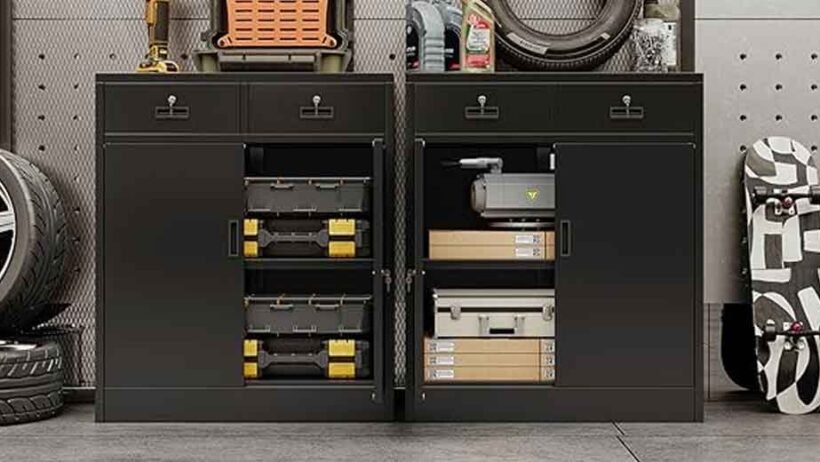
Different work environments require different storage functions, so practicality becomes a deciding factor. New filing cabinets often include modern locking systems, full-extension drawers, smooth runners, and compatibility with today’s organizational accessories. For offices that handle sensitive documents or frequently access files, these updated features can offer clear advantages. Refurbished steel cabinets, however, excel in environments that demand toughness above all else—such as workshops, logistics centers, educational institutions, or administrative storerooms. Their robust build can handle heavier loads without warping, denting, or shaking, making them ideal for long-term document storage or bulky files. Both options serve different types of workflows effectively, but the match between the cabinet and the environment ultimately determines satisfaction.
Choosing between new filing cabinets and refurbished steel cabinets depends on balancing durability, cost, appearance, sustainability, and practical use. Each option meets different needs, and understanding those differences helps create a functional, visually cohesive workspace. By weighing what matters most—whether long-term resilience, budget considerations, or environmental responsibility—buyers can make confident decisions for their office environment. The goal is to help users think clearly about their long-term storage strategy and select furniture that enhances their workflow, aligns with their values, and contributes to a more organized and productive space.