


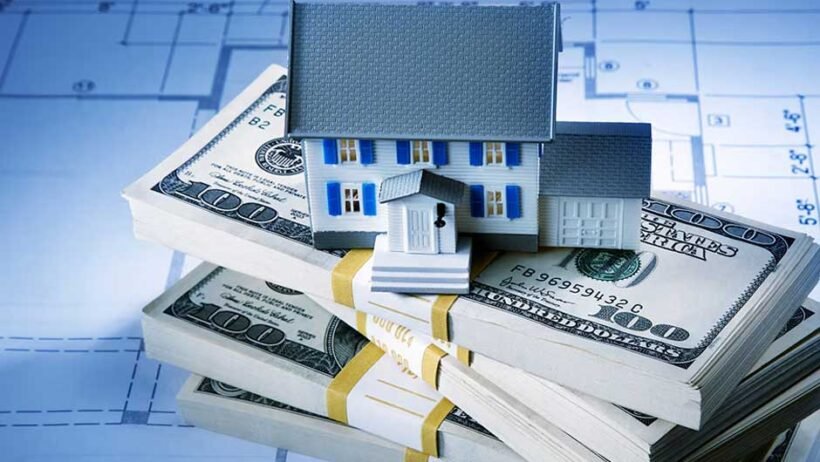

When you have big goals like renovating your home, paying off expensive debt, or funding a milestone purchase, a secured loan can be a powerful financial tool for homeowners. The larger sums on offer, and lower interest rates, can make these loans a better deal than unsecured borrowing. But along with bigger opportunities come greater responsibilities and risks. Before you commit, here’s what you need to know about how secured loans work in practice, when it makes sense to get one, and how to choose the right structure for your needs.
What makes a loan ‘secured’?
A secured loan is backed by an asset (usually your house) that acts as collateral so the lender has a form of security if you don’t make the repayments. Since the lender’s risk is reduced, they can offer lower interest rates and longer repayment terms compared with unsecured loans. This means it might be more affordable for you, especially if you’re looking to borrow a large sum. However, it’s crucial to remember that your home could be at risk if you fail to keep up repayments.
From renovations to cars: Smart ways to use secured borrowing
When does using your home as collateral make financial sense? Secured loans can be particularly useful if you want to add value to your property by renovating or extending your home. Or you might have multiple high-interest credit cards and want to consolidate them into one manageable monthly payment. You can also use a secured loan to finance a major one-off purchase, like a new car or wedding, without depleting savings. If your long-term financial situation is stable and predictable, secured borrowing is much more cost-effective than personal loans as a way to achieve your goals.
The pros and cons of borrowing against your home
The big advantage of secured loans is that they offer lower interest rates and flexible repayment terms. This means large sums are more affordable. You (and your budget planning) might also appreciate the predictable, fixed monthly repayments. However, there’s no getting around the main risk: you could lose your home or asset if repayments are missed. Only consider secured loans if you’re absolutely sure that you can meet the monthly payments even if you lose your job or face higher living costs.
Choose the right lender and loan structure
Find a lender that fits your goals. Different lenders specialise in different borrower profiles, so look for one that considers your overall financial picture, not just your credit score. The advantage is that tailored finance such as secured loans focus on helping homeowners structure their borrowing around long-term financial stability. Before signing, compare terms carefully since interest rates, repayment flexibility, and early repayment fees can vary widely.
Secured loans can help you think bigger
A secured loan can be an excellent way to unlock major financial goals without completely draining your savings. But only if you approach it strategically. By weighing the benefits against the risks and choosing the right lender, you can turn your exciting plans into reality.