


The internet has always been a breeding ground for fast moving ideas, niche communities, and quirky behaviors that somehow catch on and spread. As digital spaces have matured, these tiny cultures have become even more pronounced, each with its own language, norms, aesthetic, and lifecycle. Some come and go within days, while others develop into full ecosystems. A good example is the emergence of vibe coding, a micro culture branching off from traditional programming circles. It gained momentum partly through people looking for a more atmospheric way to code, inspiring everything from playlists to tutorials and even interest in a dedicated vibe coding course.
What makes these micro cultures fascinating is how they form almost organically. They usually start with small groups sharing a common interest, feeling, or inside joke. Over time, if the idea resonates beyond its original group, it spreads across platforms and becomes part of broader online behavior. This process happens quickly, often without anyone realizing a micro culture has formed until it becomes recognizable in conversation or content.
In many ways, these micro cultures mirror offline social dynamics. People gravitate toward familiarity and belonging, even in digital environments. The difference is that online, these communities evolve and fade at a pace traditional cultures cannot match. They are shaped by algorithms, virality, and the constant circulation of content. Their evolution can be traced through patterns in digital anthropology, a field that organizations like MIT Technology Review often highlight in discussions about online community behavior, such as in their analyses of how internet groups influence cultural shifts: MIT Tech Review on digital community trends.
The Birth of a Micro Culture
Most internet micro cultures begin with a relatable moment or aesthetic that catches attention. It might be a meme format, a hobby infused with personality, or a remix of an existing idea. At first, only a small number of people engage with it, but the speed at which content travels online gives every idea a chance to spread.
Platforms play a critical role. TikTok can launch a micro culture in a matter of hours. Discord servers can nurture niche conversations that later spill into larger platforms. Reddit and Tumblr have long been known for incubating hyper specific interests that eventually jump into mainstream internet culture.
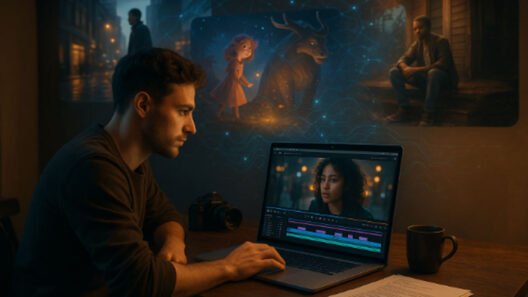
Vibe coding is a great example. It started as a simple behavior: programmers adding mood lighting, curated playlists, and aesthetic themes to their coding sessions. As people shared photos, videos, and short clips of their setups, the concept evolved from a personal habit into a recognizable communal identity.
How Aesthetics Accelerate Online Trends
Aesthetics are powerful online. Micro cultures thrive when they are easy to visualize and replicate. The rise of “cozy gaming,” the resurgence of vaporwave, and the explosion of cottagecore demonstrate how quickly a visual motif can become a shared cultural language.
Many micro cultures exist almost entirely through aesthetic signals. A certain font, color palette, style of lighting, or sound can connect people instantly. Vibe coding fits this framework too, because its defining elements are sensory: gentle light, music, slower pacing, and a focus on atmosphere. These details make it easy to capture, share, and remix, which accelerates cultural spread.
Algorithms as Cultural Amplifiers
In the past, trends spread by word of mouth. Now, algorithms play that role. They detect high engagement, then push content to more users. A small trend becomes a large one not because of scale at the beginning, but because of amplification.
This creates a unique cultural dynamic. Micro cultures that might have stayed niche in older internet eras now have the ability to go mainstream quickly. At the same time, the algorithm driven environment also causes them to fade faster once engagement drops.
Scholars who study digital ecosystems often note that online culture is now shaped not only by human behavior but by the architecture of the platforms themselves. The Pew Research Center’s work on online behavior patterns reflects this shift, especially in how communities form and dissolve based on content flows: Pew Research on internet culture.
Community, Identity, and Participation
People participate in micro cultures for different reasons. Some want belonging. Some want entertainment. Others want an identity marker that distinguishes them from broader online crowds.
These communities often feel welcoming because they are small and self-defined. They develop inside jokes, specific rules, or rituals that reinforce group identity. This sense of closeness can be comforting in the otherwise vast landscape of the internet.
In vibe coding circles, for instance, people swap workstation setups, share playlists, and offer encouragement to help maintain flow. This creates a culture that values softness, creativity, and relaxation, which contrasts with the stereotype of high pressure, caffeine fueled coding environments.
Why Micro Cultures Fade
Despite their charm, most internet micro cultures fade. They are designed for rapid engagement, not long-term stability. Once the novelty wears off or content stops circulating, attention shifts elsewhere. However, aspects of a micro culture sometimes persist long after the trend passes.
For example, even if vibe coding were to fade as a labeled trend, its influence on how developers think about ambience and workflow might remain. The same is true of larger micro cultures that shaped digital behavior, like the aesthetic driven movements that encouraged minimalism, productivity rituals, or certain visual styles.
What Micro Cultures Reveal About Us
The evolution of these tiny cultural pockets says a lot about modern digital life. It shows that people crave identity, creativity, and shared language even in fast moving environments. It also highlights how flexible and adaptive online culture has become.
The internet allows people to experiment with identities, join communities that feel right for the moment, and move on when their interests change. Micro cultures reflect this fluidity. They offer temporary homes for curiosity and expression.
The Future of Internet Micro Cultures
Looking ahead, micro cultures will only become more frequent and more diverse. As AI tools, new platforms, and emerging digital formats expand the way we share and create content, the internet will likely produce micro cultures at an even faster pace. Some will vanish quickly. Others will influence mainstream culture.
And somewhere in that constant evolution, more niche habits like vibe coding will continue to grow, shift, or transform into new forms altogether.
Online culture has always been deeply experimental. Micro cultures are simply the latest, and perhaps the clearest, expression of how people build meaning in a digital world that never stops moving.