


When operating heavy machinery or working on construction sites, having proper lighting isn’t just about convenience – it’s a critical safety requirement that helps prevent accidents and ensures compliance with workplace regulations. But are there specific light bars designed for construction or utility vehicles?
Yes, there are specialized LED light bars specifically engineered for construction and utility vehicles, featuring reinforced housings, higher durability ratings, and compliance with SAE J595 and J845 safety standards for work vehicles.
While that’s the straightforward answer, it’s essential to understand the various types of construction light bars available, their specific applications, and the regulations governing their use. Knowing these details can help you make a more informed purchase decision and ensure you meet all safety requirements for your particular use case.
What Types Of Light Bars Are Available For Construction Vehicles?
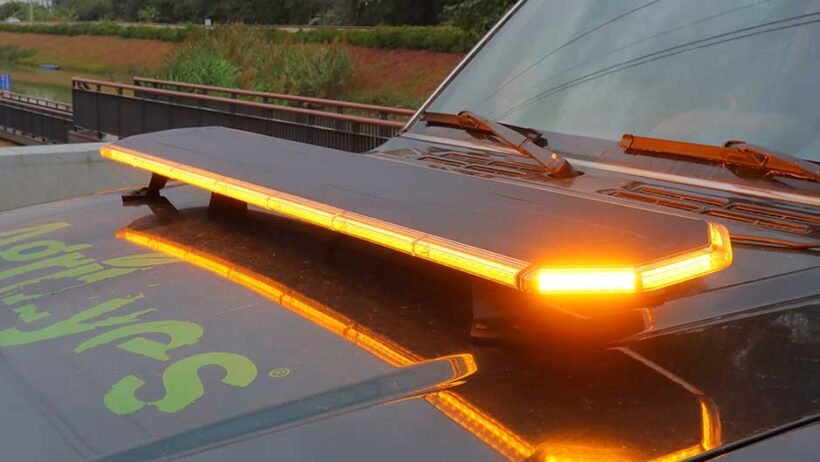
Construction and utility vehicle light bars generally fall into three main categories. First, there are warning light bars, which feature amber or yellow strobing lights designed to alert others of the vehicle’s presence during operations. These are commonly required for road work and construction sites.
Second, work light bars provide intense, directional white light for illuminating job sites, typically ranging from 10,000 to 50,000 lumens depending on the model. These often feature combination spot and flood beam patterns to provide both distance and width coverage.
Third, combination light bars incorporate both warning and work light functions in a single unit, offering versatility for vehicles that need both capabilities. These are particularly popular on utility trucks and mobile crane units.
What Safety Standards Must Construction Vehicle Light Bars Meet?
Construction light bars must comply with several key regulations to be legally used on work sites and public roads. The Society of Automotive Engineers (SAE) J595 standard governs the intensity, flash patterns, and color requirements for warning lights, while SAE J845 sets standards for auxiliary upper beam lamps.
OSHA regulations also require specific luminosity levels for construction site lighting, typically mandating a minimum of 3 foot-candles for general construction areas and 5 foot-candles for concrete placement and excavation zones.
How Should You Choose The Right Light Bar For Your Construction Vehicle?
The selection process should start with determining the primary purpose of the light bar. If the vehicle primarily operates on public roads during construction, a warning light bar with proper amber strobing lights should be the priority. For nighttime construction work, a high-output work light bar would be more appropriate.
Consider the vehicle’s electrical system capacity, as high-output light bars can draw significant power. Most construction vehicle light bars operate on 12V or 24V systems, but amperage draw can vary significantly between models.
Finally, evaluate the mounting location and environmental conditions. Light bars for construction vehicles should have a minimum IP67 rating for dust and water resistance, as well as heavy-duty mounting brackets that can withstand constant vibration and harsh conditions.
How Do Construction Light Bars Differ From Regular Off-Road Light Bars?
While off-road light bars and construction light bars may look similar, they serve different purposes and are built to different specifications. Construction light bars typically feature more robust housings made from thicker aluminum or reinforced composites to withstand constant industrial use and vibration.
Construction light bars also commonly include specialized features like automatic dimming sensors to prevent blinding other workers, programmable flash patterns for different work scenarios, and modular designs that allow for easy replacement of individual components rather than the entire unit.
Another key difference is the certification requirements. While off-road light bars mainly focus on brightness and beam patterns, construction light bars must meet specific industry certifications for workplace safety and professional use.
What Maintenance Is Required For Construction Vehicle Light Bars?
Regular maintenance is crucial for ensuring the longevity and reliability of construction light bars. Monthly inspections should include checking all mounting hardware for tightness, as constant vibration can loosen bolts and brackets over time.
The light bar’s lens should be cleaned regularly, especially in dusty construction environments. Accumulated dirt can significantly reduce light output and cause overheating. Use only approved cleaning solutions, as harsh chemicals can damage the polycarbonate lenses.
Electrical connections should be inspected for corrosion and secure connections at least quarterly. Many construction light bar failures are due to wiring issues rather than LED failure. It’s recommended to apply dielectric grease to all connections during installation and maintenance to prevent moisture-related problems.
Additionally, check the light bar’s waterproof seals periodically for any signs of degradation. Even small breaches in the sealing can lead to moisture intrusion and ultimately result in the unit’s failure. Most manufacturers recommend replacing seals every 2-3 years, depending on usage conditions.
Conclusion
Before making a purchase decision for your construction or utility vehicle light bar, consult your local regulations and industry-specific requirements to ensure compliance with safety standards in your area. Then, create a checklist of your specific needs based on the types discussed above – including primary purpose, power requirements, and environmental conditions – and use this to guide your selection process.