


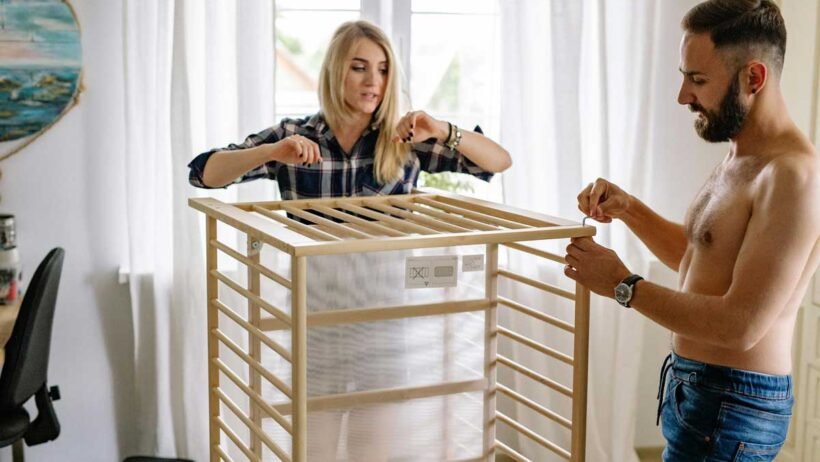

Sharing a room with your baby can feel equal parts comforting and chaotic. One minute you’re assured by every tiny breath, and the next you’re wide awake because your baby made a noise that sounded suspiciously like a goat. Welcome to shared sleep spaces, where health, safety, and sanity all meet in the dark.
Whether you’re planning to room share for the first few weeks or for several months as recommended, setting up the space properly matters. A well thought out setup supports your baby’s health, encourages better sleep for everyone, and reduces risks that no parent wants to think about at 3:00 in the morning. Let’s talk about how to do it right without turning your bedroom into a baby gear showroom.
What shared sleep space actually means.
First a quick clarification: shared sleep space does not mean that shared sleep surface. Your baby should sleep in the same room as you but in their own dedicated sleep spot. This set up allows you to respond quickly while keeping your baby in a safe, independent environment.
Health experts recommend room sharing because it’s linked to safer sleep and makes night time feeding and comforting easier. Babies also regulate their breathing against yours. You’ll be close, you’re alert, and you don’t have to sprint down the hall half asleep when you’re panicking. Everybody wins.
Choosing the right sleep spot.
Early on, many parents opt for a standalone bassinet with airflow because it’s compact, easy to position near the bed, and designed specifically for newborn sleep. Whatever sleep space you choose, it should meet current safety standards and be made for unsupervised sleep.
Look for a firm, flat mattress, a snug fitting mattress with no gaps, sturdy sides with no loose parts, breathable materials that allow air to circulate, and more. If it folds, swivels, vibrates, plays ocean sounds, or promises to raise a genius, that’s fine, but safety comes first. Bells and whistles are optional, but a solid, boring sleep surface is not.
Positioning is everything.
Where you place your baby’s sleep space does matter more than people realize. Ideally, it should be close enough to you that you can see and reach your baby, but not so close up. Blankets, pillows, or flailing adult limbs can wander in. The bassinet should be at least a few inches away from your bed.
Unless you’re getting a dedicated side sleeper. It should be away from cords, blinds and outlets and out of direct air flow from fans or heaters. You want the convenience without the clutter, so think within arm’s reach but not sharing square footage.
Strip the sleep space naked.
This part is truly non-negotiable because there’s only two things that your baby’s sleep space needs, a fitted sheet and the baby. You don’t need stuffed animals or pillows or blankets or any just in case items.
Luckily, babies do not require comfort objects in their sleep space until they’re much older and can cognitively choose that for themselves. They need clear Airways and room to move.If your baby needs warmth, use appropriate sleepwear like a sleep sack. It will stay put and it won’t end up over their face in the night. It’s like functional fashion and it’s at its finest.
Back to sleep every time.
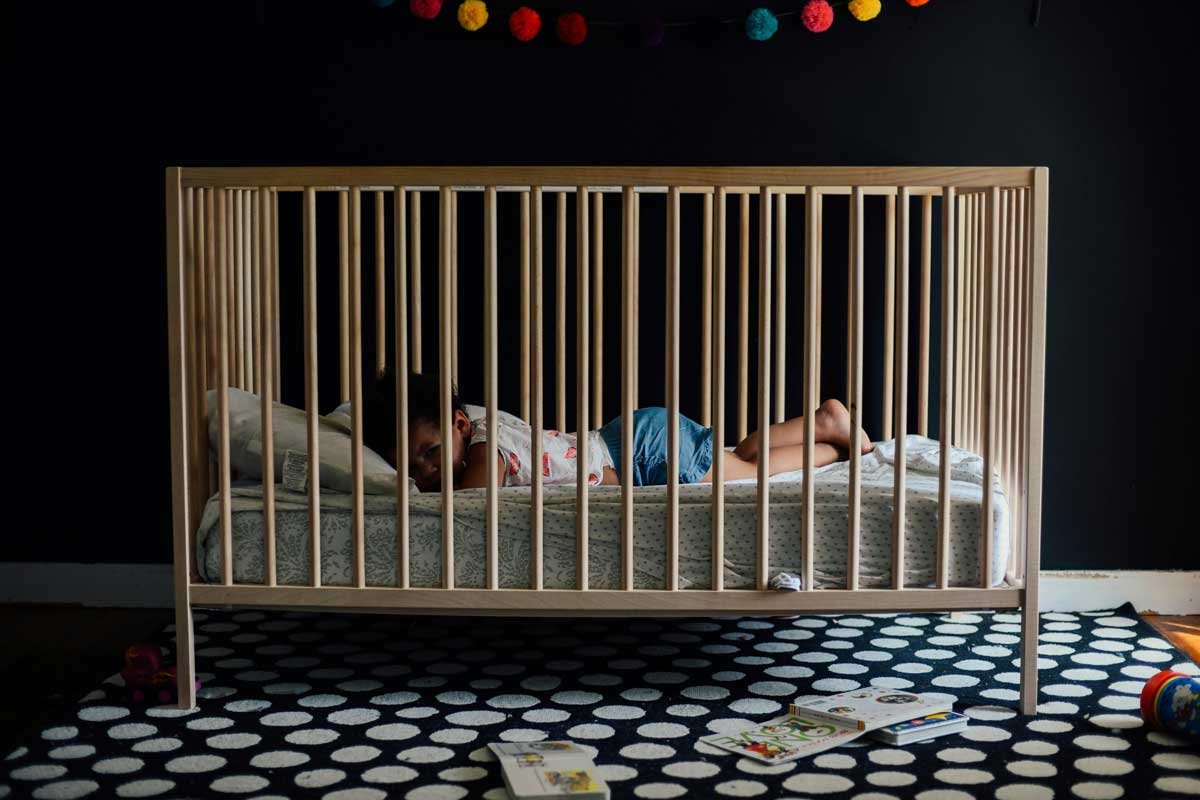
Always place your baby on their back for sleep, whether it’s bedtime or a quick nap. This position helps to keep Airways open and reduces sleep related health risks. Once babies learn to roll, they may choose their own sleep positions. You don’t need to hover like a sleep bouncer all night, just start them on their back and let them handle the gymnastics.
And no, babies won’t choke because they’re on their backs. Their bodies are designed for this, and it’s biology that you need to trust. You built that baby from scratch, so trust that their bodies know what to do.
Managing noise and light.
Sharing a room means sharing sounds. Babies are noisy sleepers, and adults aren’t exactly quiet either. A little white noise can help to mask minor sounds and create a consistent sleep environment.
You can keep lighting low and soft for nighttime feeds with a touch lamp. Bright light signals party time to your baby’s brain, and nobody needs that energy at 2:00 AM. A pro tip is to use a night light that you can operate with one hand while holding a very opinionated baby.
Room sharing without stress.
The biggest challenge of shared sleep spaces isn’t usually safety, but adjustments. You’re going to be alert to every snort, wiggle, and dramatic sigh that your baby makes. And this is normal. Annoying, but normal. Give it time before deciding something isn’t working.
Many parents find that everyone sleeps better after a week or two of adjustment if needed, Earplugs for adults that still allow you to hear cries or white noise to help the whole room. Remember that shared sleep spaces are about proximity, not perfection.
Night time care made easy.
Health benefits of room sharing is easier nighttime care, Feeding, soothing, and checking on your baby becomes less disruptive for both of you. You can keep a glider chair or rocking chair nearby with a supply of diapers and wipes, extra pajamas, burp clothes and water for you. The less you have to fully wake up, the faster everyone gets back to sleep. This is about survival, not luxury.
Knowing when to transition.
Shared sleep spaces are typically temporary. As your baby grows, you may move them to a crib in their own room. Usually this happens after six months, but when they are outgrowing the bassinet and increasing their movement during sleep. There’s no real right time, but health, comfort and family needs all play a role.
Setting up a shared sleep space is about balance. Some nights will be peaceful, others will feel like a sleep deprived circus. Both of these nights are normal when you have a baby in the house.