


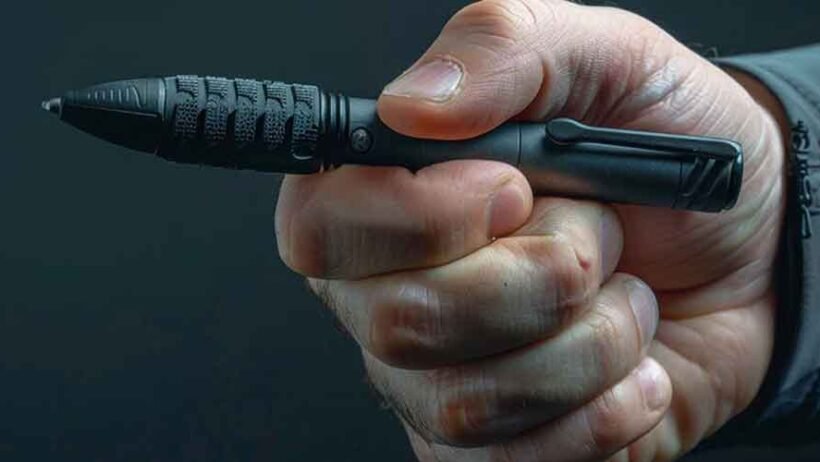

Personal safety is not about paranoia. It’s about preparation. Most situations never escalate into danger, but when they do, reaction time shrinks fast. Smart self-defense tools give you that margin of safety. They don’t turn people into security experts. They simply create space, clarity, and control when circumstances shift without warning.
These tools are compact. Simple. Practical. And built around real-world situations, not movie scenarios. Below is a look at the essentials worth keeping in daily reach.
Why Self-Defense Tools Matter Today
People move through unpredictable environments every day. Parking lots. Rideshares. Public transit. Evening walks. Crowded events. These environments create moments where awareness matters, but having a reliable tool matters even more.
A 2023 report from Statista found that 27% of adults have taken steps to increase their personal safety after feeling unsafe in public settings.
The goal isn’t fear-based living. The goal is practical readiness by using tools that require minimal training but provide maximum effect.
1. Pepper Spray: Small, Effective, and Easy to Deploy
Pepper spray remains one of the most effective self-defense tools because it creates instant distance. It disables without causing permanent harm. And it works under stress with a simple directional release.
Modern pepper spray technology includes:
- gel-based formulas to prevent blowback
- safety locks to stop accidental discharge
- standardized spray ranges
- compact keychain or pocket sizes
- UV markers for identification
The key benefit is reaction time. One press creates separation, giving you the ability to retreat. For everyday carry, it’s a top-tier option.
2. High-Output Tactical Flashlights
A flashlight seems ordinary, but a tactical-grade model is a control tool. Bright, focused light disrupts night vision and buys seconds of decision-making time.
Look for:
- 300+ lumen output
- shock-resistant construction
- one-handed activation
- strobe functionality
- pocket clip retention
These lights function as both preventive and defensive tools. They illuminate blind areas, reveal threats early, and disorient aggressors if needed. A smartphone flashlight cannot do this. Battery drainage, low output, and fragility make it unreliable.
3. Personal Alarms with Instant Activation
Noise is a deterrent. Many confrontations break off the moment attention is drawn. Personal alarms use high-decibel bursts to create disruption.
Important features include:
- 120–140 dB output
- pull-tab or button activation
- long battery life
- compact casing
These alarms give bystanders a clear signal something is wrong. They’re especially effective in crowded public spaces or parking structures. Lightweight. Simple. High-impact.
4. Compact Self-Defense Key Tools
Keychain tools are discreet but surprisingly effective. They don’t require strength. They require leverage. The goal is escape, not force.
Useful designs include:
- ergonomic grips
- pointed pressure tips
- rigid polymer or metal construction
- finger-retention loops
These tools work best when used for quick disengagement. They don’t rely on precision — they rely on instinctive movements.
5. Door and Travel Safety Devices
Protection isn’t only for walking outside. Many incidents occur indoors — hotels, short-term rentals, dorms, apartments.
Smart, compact tools include:
- door wedge alarms
- temporary door locks
- portable security bars
- window vibration sensors
These devices require no installation skills. They reinforce entry points, giving travelers or solo residents an additional barrier.
6. Training Tools for Situational Awareness
Tools matter, but awareness multiplies their effectiveness. Light training in situational awareness can dramatically reduce risk. This includes recognizing exit routes, spotting behavioral cues, and maintaining a safe boundary when approached unexpectedly.
Many experts now recommend short, accessible workshops rather than full martial arts programs. The goal is practical awareness, not combat skill.
Conclusion
Self-defense is not a single tool. It’s a combination of readiness, confidence, and simple equipment designed to work under stress. Pepper spray. Tactical flashlights. Personal alarms. Keychain tools. Door security devices. Each plays a different role, and none require advanced skill to use effectively.
The best safety tools are the ones you can carry comfortably, access quickly, and use instinctively. They protect your space, reduce panic, and give you a moment to step away from danger.