


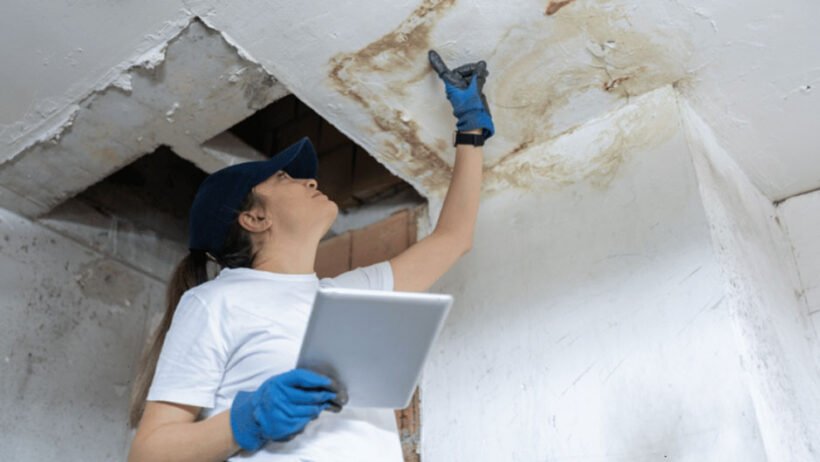

Water damage is one of the most stressful and unexpected emergencies a homeowner can face. Whether it’s caused by a burst pipe, leaking roof, overflowing appliance, storm flooding, or a sewage backup, water can spread fast—soaking walls, floors, furniture, and anything in its path. The longer it sits, the more damage it causes. Mold can begin forming in as little as 24 to 48 hours.
That’s why knowing what to do immediately after water damage is crucial. The actions you take in the first few hours can greatly reduce structural damage, prevent mold growth, and make the restoration process far easier and less costly.
This guide walks you through the exact steps homeowners should take right after discovering water damage.
1. Put Safety First
Before doing anything, make sure it’s safe to enter the affected area. Water damage can create hidden dangers, and taking the right precautions is essential before beginning any water damage restoration.
Check for electrical hazards
- Never walk through standing water where electricity is present.
- Shut off power to affected rooms from the breaker panel (only if it is safe to do so).
- If the panel is inaccessible due to water, call an electrician or emergency help.
Watch for structural risks
Water can weaken flooring, ceilings, and walls. If anything looks warped, sagging, or unstable, avoid the area.
Beware of contaminated water
Floodwater, sewage backups, and storm runoff may contain bacteria, chemicals, or waste. Always assume that the water is contaminated until professionals confirm otherwise.
If you suspect contaminated water, wear:
- Gloves
- Waterproof boots
- Masks
- Protective clothing
Safety is the priority—damage can be repaired, but injuries and contamination can cause serious health risks.
2. Stop the Source of Water (If You Can)
Once you confirm it’s safe, try to stop the source of water.
Common sources & solutions:
- Burst pipe → Turn off the main water shut-off valve.
- Leaking appliance → Unplug or disconnect water supply.
- Roof leak → Place buckets, move items, and cover furniture until professionals arrive.
- Clogged drain or toilet → Avoid flushing or using fixtures connected to that line.
If you can’t determine the source, call an emergency plumber immediately.
3. Document the Damage Thoroughly
Before cleaning anything, take photos and videos of all water-damaged areas. This important step helps:
- Support insurance claims
- Provide proof of loss
- Show the extent of damage before cleanup
- Protect you from disputes
Document:
- Walls, floors, and ceilings
- Damaged belongings
- Watermarks or stains
- Leaking pipes or appliances
- Any visible mold or discoloration
The more evidence you have, the smoother the insurance process will be.
4. Contact Your Home Insurance Company
Most homeowners’ insurance policies cover sudden and accidental water damage (not gradual leaks), so contact your insurer right away.
They’ll guide you on:
- What’s covered
- How to file a claim
- Whether an adjuster will visit
- Which restoration steps they want documented
Some insurance companies even recommend specific water damage restoration companies. Keep receipts for all repairs, cleaning supplies, and hotel stays if you need temporary housing.
5. Remove Excess Water (If Safe to Do So)
If the water is clean and minimal, you can start removing it. For larger or contaminated floods, wait for professionals.
Ways to remove water:
- Towels and mops
- Wet/dry vacuum (shop vac)
- Buckets
- Squeegees
Never use a household vacuum—it’s unsafe and can cause shock or fire.
6. Protect Your Belongings
Water spreads fast, so act quickly to save your valuables.
Move these items immediately:
- Furniture
- Area rugs
- Electronics
- Clothes
- Photos and documents
- Wood items\
- Decor and personal belongings
Place items in a dry area with good air circulation. Wet rugs and cushions should be moved outdoors or to a garage where they can dry safely.
If furniture legs are wet, place aluminum foil or wood blocks underneath to prevent staining and further water absorption.
7. Start the Drying Process
Drying is one of the most important steps to prevent mold growth.
You can begin by:
- Opening windows and doors for ventilation
- Running fans to increase airflow
- Turning on dehumidifiers
- Using air conditioners to reduce humidity
However, keep in mind that professional equipment—industrial dehumidifiers, air movers, moisture meters—is often required to dry hidden moisture trapped behind walls and floors. DIY drying might only address surface-level water.
8. Call a Professional Water Damage Restoration Company
Water damage restoration professionals are trained to assess the full extent of the damage—especially the parts you can’t see. They handle:
- Water extraction
- Structural drying
- Mold prevention
- Sanitizing
- Repairs and reconstruction
- Moisture readings
- Hidden leak detection
They also ensure your home is safe, dry, and restored to pre-damage condition.
Most importantly, they prevent secondary damage, such as:
- Mold growth
- Warped floors
- Rotting wood
- Electrical problems
- Damaged insulation
- Bacteria and odor buildup
The sooner professionals get involved, the better the outcome—and the lower the repair cost.
9. Prevent Mold Growth
Mold can begin forming within 24–48 hours, so take mold prevention seriously.
Steps include:
- Keeping humidity below 50%
- Removing soaked materials (insulation, drywall, carpet padding)
- Using dehumidifiers
- Ensuring rooms are fully dried
- Having professionals apply antimicrobial treatments
If you already notice mold, call a remediation specialist immediately. Don’t try to wipe or scrub mold yourself—it can release spores and worsen the problem.
10. Begin Necessary Repairs
After drying and cleaning, the repair phase begins. Depending on the damage, this may include:
- Drywall replacement
- Painting
- Floor repair or replacement
- Electrical system inspection
- Insulation installation
- Structural repairs
- Ceiling restoration
- Cabinet or furniture repairs
Professional restoration companies often provide repair services or coordinate contractors for seamless reconstruction.
Read the article: Why Your Kitchen Sink Keeps Getting Clogged and How to Stop It
Final Thoughts
Water damage can be overwhelming, but knowing what to do right away can save your home from extensive destruction. Prioritizing safety, stopping the water source, documenting everything, and calling professionals quickly will help you protect both your property and your health.
The faster you act, the easier the cleanup—and the less likely you’ll face long-term structural issues or mold.