


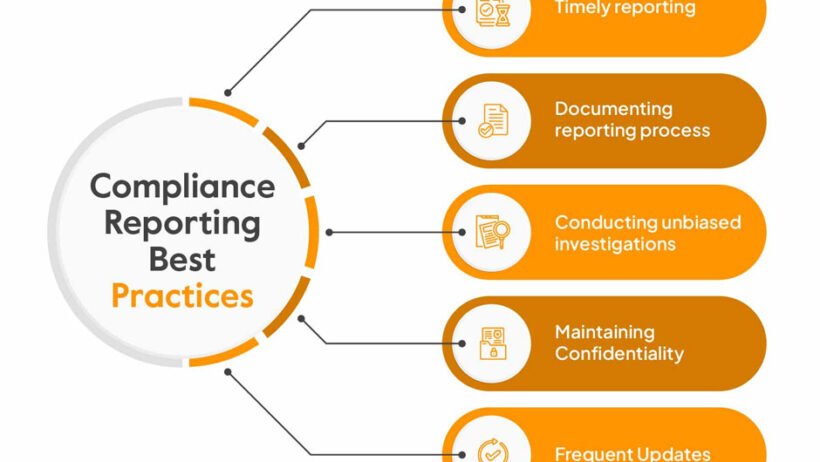

Compliance teams rely on clear data to keep control of each requirement across multiple units. When reports lack structure, small gaps turn into wider issues that slow progress. Standard specific reports give each rule a firm place in the process and help units avoid uncertain steps. This article explains why that clarity matters, so let’s explore.
Strong Clarity in Rule Alignment
Standard specific reports show how each rule applies to each task, and even a tool such as the best automated compliance software helps show how that structure holds the data in a steady flow. The format prevents confusion about what each step needs. This reduces back and forth between groups that need the same details.
A defined format also protects the process from drift. When each unit follows the same template, the chance of skipping key items drops. This structure creates a clear path through each rule set. As a result, internal checks move forward with fewer delays.
Better Accuracy in Evidence Records
Compliance depends on accurate evidence, and standard reports keep those details organized in one place. Each report holds the exact fields tied to the rule it supports. This lowers the chance of stray notes or stray forms that shift the final picture. The same template across units produces records that match in quality and detail.
This accuracy helps teams find issues before they spread. When each detail sits in the right field, small errors surface quickly. The process no longer relies on personal styles or loose lists. A consistent record format gives leaders a clearer base for key decisions.
Clear View of Trend Shifts
Standard-specific reports reveal patterns that help leaders see when a rule starts to slip. The format shows shifts in performance, timing, or task quality that might cause future issues. With each rule in a fixed place, the system highlights trends with ease. This helps leaders respond with precise direction instead of broad guesses.
Trend Signals that Matter
Reports built around specific rules turn raw data into signals that guide action. Leaders focus on the areas that fall behind. Units gain insight into steps that need extra care. This view helps prevent larger setbacks across the system.
Stronger Unit Coordination
When each team uses its own report style, oversight becomes a challenge. Standard specific formats remove that gap and give all units one method. Teams exchange updates with fewer errors because the data matches on both sides. This produces steady progress across related tasks.
Bullet points can clarify this further:
- Clear handoff points between units
- One shared format for each rule
- Fewer mixed signals in cross-unit work
- Better flow when multiple teams handle the same task
A shared structure also builds trust between units. No group feels uncertain about what the next step needs. Each update fits the full system without extra edits. This helps keep compliance on track even during heavy workloads.
Safer Review Cycles
Review cycles depend on full visibility, and standard reports place each detail where it belongs. When a review starts, leaders do not search through scattered files to prove that rules were met. The system presents each step in the right order. This cuts down on stress during strict external checks.
A defined structure also limits the risk of missing data. Old notes, unclear fields, and extra files no longer cloud the picture. Reports stay clean and easy to read, even when multiple rules apply. This steady base makes each review smoother and more reliable.
Standard-specific reporting strengthens compliance by giving each rule a clear path, and the best automated compliance software can reflect this structure in a unified data setup. With this level of clarity, oversight reaches a higher and more dependable standard.