


Each year, about three million seniors visit the emergency room for fall injuries. Over one million go to the ER for slip and fall accidents. In the construction industry, 31% of injuries are due to falls, slips, and trips.
Accidents happen all the time and everywhere if you are not careful enough. The most common causes of personal injuries are slip and fall accidents. And incidents like these happen when you least expect them.
In the worst-case scenario, you may end up with serious injuries, broken bones and even back problems. For such cases, it is usually the property owners who are held accountable if they fail to give proper warning and safety measures about the dangers in their properties, says slip and fall lawyer Brian L. McCullough.
Here’s a list of the most common hazards that could lead to slip and fall injuries and what you can do to prevent them.
Wet Surfaces
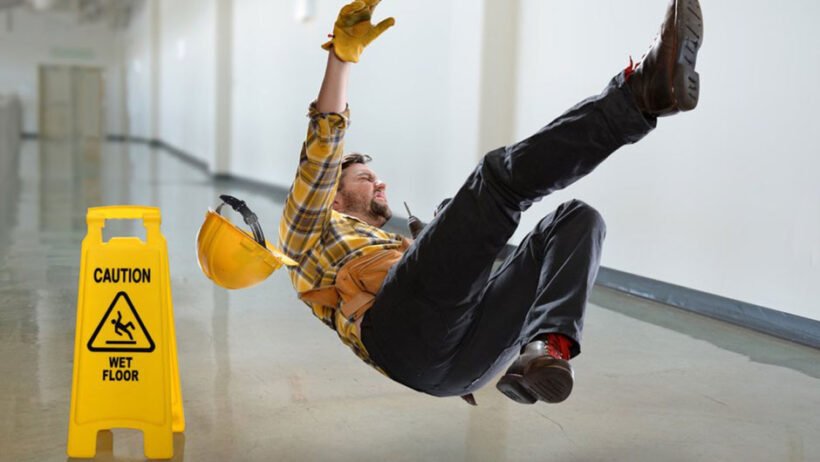
Walk on any wet surface, and you’re going to add to the probability of a fall. These surfaces in places that one considered somewhat of a home, like a coffee shop or a gym, are easy to underrate concerning slipperiness.
The hazard binds us all; you are not an exception. Stay alert and aware of your surroundings to keep away from danger! Watch out for any signs or mats in any areas that may help cut the risk. Wearing the right footwear can reduce the risk of slipping.
Remember, never forget, being part of a group that promotes safety, the awareness of a wet surface is the first of many gifts that assure everyone feels comfortable and secure, just as one desires to feel.
Uneven Flooring
Neglecting even the tiniest elevation difference can be a major slip. Small elevation changes can range from worn-out carpets and broken tiles to slightly uneven floorboards, and you would never expect them to go against you. One of you may feel, “I know my place,” and down the block, that is when it starts to hurt.
In other instances, you might find yourself already on the floor after a sudden jolt of surprise from an uneven flooring. Identification and reporting of such hazards will help keep others safe.
Under premises liability law, property owners have the duty to ensure the safety of the premises of their properties for their visitors. They must do repairs as needed or warn visitors of the hazard to avoid getting injured. This legal principle emphasizes that maintaining a hazard-free environment is not only good practice but also a legal duty.
Poor Lighting
Any amount of poor lighting can make even a familiar space feel unsafe. Dimly lit spaces hide hazards like steps and bumps or transitions in flooring, enabling one to trip and fall. Low lighting can even hide slippery surfaces or uneven edges.
Good illumination should be arranged for all places, particularly those with high traffic, allowing navigation from point A to point B with safety. It should welcome everyone. A dimly lit space should prompt you to file complaints.
That kind of spatial transformation could build community togetherness in which members feel safe. Everyone will feel safe while looking after each other.
Clutter and Obstacles
In any environment, clutter and obstructions definitely create hazards for slipping and falling. Negotiating a space filled with these miscellaneous items, such as bags, boxes, or equipment, it is fussily simple to trip or maybe lose balance.
Sometimes, one cannot even spot such hazards until it is quite late. Having cleaned shared places benefits everyone, including you, with the extra advantage of making it safe for all. Imagine walking through these dry areas with no clutter, where one feels comfortable and confident.
Pause for a while and figure out which objects should be removed. This will give you extra room while maintaining safety in the area. Everybody will feel secure in their surroundings, and you can be a factor to make it happen.
Inadequate Signage
Lack of signage can pose dangerous slip and fall threats, lest unsuspecting passersby be exposed to a potential danger. A clear sign directs you into a building or throughout a public space.
If those signs are missing or unclear, they might be obstacles in your path: slippery floors or uneven ground, to name a couple, and never a word of warning. What would be most disastrous for you? Injuries coupled with sore spirits!
There should be a feeling of security in places you frequently visit. Standing up for better signage protects you and your community members.
Let us prepare so that one can walk freely anywhere in confidence, reducing incidents and making these common areas feel more like home.