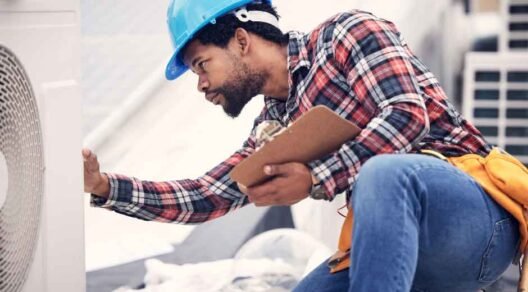




When temperatures drop below freezing, a functioning furnace becomes the lifeline of a home. Yet, it’s often during these harsh conditions that heating systems face unexpected breakdowns. The cold can be relentless, and a sudden furnace failure not only disrupts comfort but can also pose serious health and safety risks. Frozen pipes, poor indoor air quality, and exposure to extreme cold can turn a small mechanical issue into a household emergency. We will explore why furnaces tend to fail during freezing weather, the crucial role of emergency furnace repair, and how quick intervention can restore warmth, safety, and peace of mind for homeowners.
Why Furnaces Fail During Freezing Weather and How Emergency Repair Makes a Difference
- The Strain of Continuous Operation
During periods of extreme cold, furnaces work around the clock to maintain indoor comfort. This constant operation increases the likelihood of wear and tear on key components such as the blower motor, ignitor, or heat exchanger. When these parts are under continuous strain, even a minor issue like a dirty filter or blocked vent can escalate into a full system breakdown. Furnace Repair in Leonardtown becomes essential in these moments because emergency technicians respond quickly to diagnose and resolve problems before they worsen. Skilled professionals can identify the source of failure, replace worn-out parts, and restore the furnace’s efficiency without prolonged downtime. Without prompt repair, the home’s temperature can plummet rapidly, leading to additional complications such as frozen plumbing or moisture buildup that can damage the property.
- Frozen Components and Blocked Airflow
Freezing weather can also cause condensation within the system’s pipes or vents, leading to ice blockages that restrict airflow. In some cases, the condensate drain line may freeze, forcing the furnace to shut down automatically for safety reasons. These issues often occur suddenly, leaving homeowners without heat when they need it most. Emergency furnace repair professionals understand how to safely thaw frozen components, clear obstructions, and restore airflow to prevent further strain on the system. They also inspect the venting system for ice accumulation or carbon monoxide leaks, ensuring that repairs go beyond restoring heat—they also protect the household from potential hazards. By addressing the root cause of frozen parts and blocked airflow, homeowners can regain a warm, safe environment and reduce the risk of repeat breakdowns during cold snaps.
- Electrical and Ignition System Malfunctions
Modern furnaces rely on electronic ignition systems rather than traditional pilot lights. These systems can malfunction under freezing conditions, especially if moisture affects the sensors or wiring. When this happens, the furnace might fail to ignite, leaving the home without heat. Similarly, power fluctuations caused by winter storms can damage circuit boards or blow fuses within the unit. Emergency furnace repair technicians are equipped to handle such electrical and ignition failures efficiently. They use diagnostic tools to pinpoint issues, replace faulty parts, and ensure the electrical system operates safely. Addressing these issues promptly prevents extended outages, protects sensitive components from further damage, and ensures reliable furnace performance throughout the remainder of the cold season.
- Safety Risks of Delayed Repairs
When a furnace fails during freezing weather, the consequences go beyond discomfort. Indoor temperatures can drop quickly, increasing the risk of hypothermia or illness for vulnerable individuals such as children or older adults. Additionally, attempts to use unsafe heating alternatives—like ovens or space heaters—can lead to fire hazards or carbon monoxide exposure. Emergency furnace repair provides a safe, immediate solution that restores heat and eliminates the need for risky temporary fixes. Trained technicians follow strict safety protocols, ensuring gas lines, vents, and electrical connections are secure. Their rapid response minimizes potential hazards while restoring warmth efficiently. In freezing conditions, time is critical; prompt repairs not only ensure comfort but also safeguard the health and safety of everyone in the household.
- Preventing Further Damage and Costly Replacements
A furnace breakdown left unaddressed can cause cascading problems. When the interior temperature remains low for extended periods, water in the plumbing can freeze and expand, leading to burst pipes and extensive water damage. Additionally, prolonged strain on a malfunctioning furnace can cause irreversible harm to the system’s internal components. Emergency repair services help prevent these outcomes by restoring functionality before secondary damage occurs. Technicians also assess the system for early warning signs of future failures, allowing homeowners to make informed maintenance decisions. Immediate action saves time and money by preventing costly replacements or structural repairs caused by cold-related damage. By prioritizing emergency repair, homeowners protect both their investment and their peace of mind.
- Maintaining Energy Efficiency and Indoor Comfort
Even after a furnace is repaired, ensuring it runs efficiently during freezing conditions is essential. Emergency repair services often include performance checks that optimize energy use, helping homeowners avoid excessive utility bills. Technicians clean critical components, calibrate thermostats, and inspect insulation or air leaks that might be causing the furnace to overwork. This attention to detail not only restores warmth but also ensures that the heating system operates at peak efficiency. Maintaining energy balance in the home contributes to consistent comfort while preventing the furnace from becoming overburdened again. The result is a stable, warm environment even when temperatures outside reach dangerous lows—proof that immediate, professional intervention can make all the difference.
When a furnace fails during freezing weather, the impact is immediate and potentially dangerous. The loss of heat can disrupt comfort, threaten safety, and even cause costly damage to the home’s structure. Emergency furnace repair offers more than a quick fix—it provides reassurance, protection, and restoration of normalcy during harsh conditions. From addressing mechanical failures to preventing safety hazards, these services ensure that homes remain warm and livable no matter how severe the weather becomes. By understanding why furnaces fail and responding promptly with emergency assistance, homeowners can stay safe, conserve energy, and preserve their systems’ longevity throughout the winter season.