


Homes used to feel like long-term decisions. You moved in, made it your own and settled into a way of living that stayed fairly steady for years. Life now feels more fluid. One year you’re working from home, the next you’re welcoming family more often, all while keeping a closer eye on comfort and energy bill news. Your home still needs to reflect who you are, but it also needs to move with you as things change.
Why the way we live now keeps evolving
Life no longer fits neatly into fixed patterns. You might work from the kitchen table today and need a quiet corner tomorrow. Kids grow up, relatives visit for longer stays and hobbies come and go.
If your home locks you into one way of living, small changes start to feel like big problems. Flexible thinking helps here. For example, a spare room with good storage can switch between a guest bedroom, a study or a hobby space without major work. Aim to design rooms around activities rather than labels, so the space adapts as your needs shift.
Layout and energy efficiency
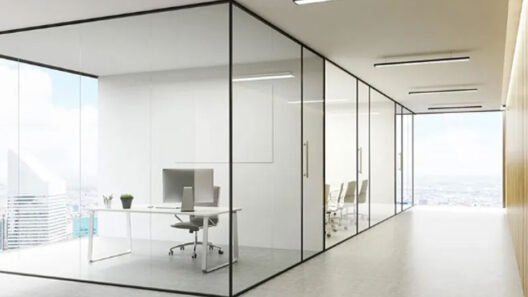
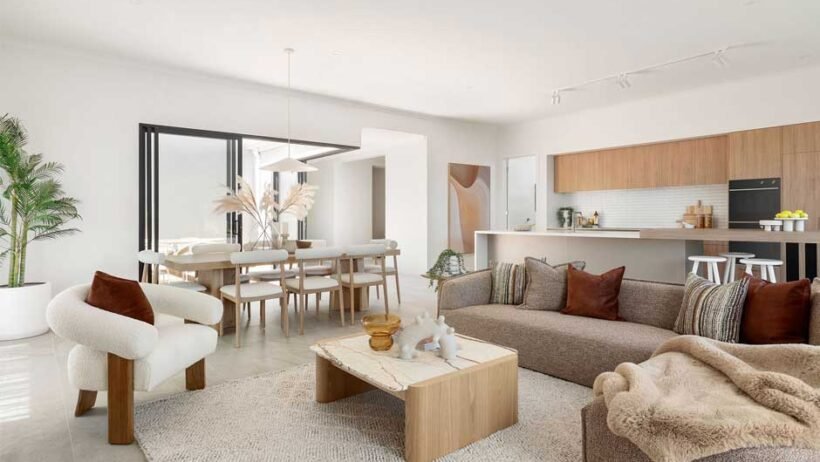
A good layout saves time, effort and money. Open-plan areas work well for social time, but you still need places to retreat when noise builds up. Sliding doors or partial screens let you separate spaces when needed without losing light.
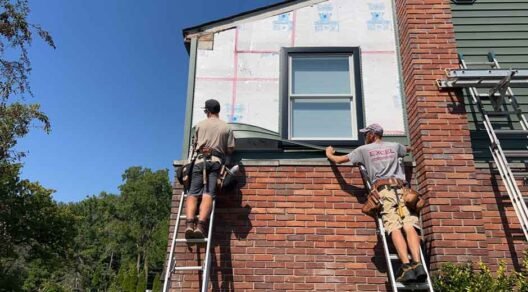
Making your home energy efficient also plays a big role in long-term comfort. Better insulation keeps rooms warmer in winter and cooler in summer, which means fewer battles with the thermostat. If you plan upgrades, focus on improvements you’ll feel every day, like reducing drafts or repositioning radiators to heat rooms evenly.
Comfort that supports everyday life
Long-term design only works if your home feels good to live in right now. Natural light, ventilation and sound control often make more difference to daily comfort than expensive finishes. A brighter room lifts your mood in the morning, while good airflow keeps spaces feeling fresh without relying on fans or air conditioning.
Soft furnishings, rugs and curtains help absorb noise, which matters more if you share your home or spend more time indoors.
Future-ready properties
When you consider future-ready design, think about resilience rather than trends. Homes that age well tend to include practical details like wider doorways, level access where possible and wiring that can handle new tech later on.
Many new homes already include modern features, but you can apply the same thinking to older properties. For instance, adding extra sockets during a renovation costs little compared to opening walls again later. Plan improvements in stages so you spread the cost and disruption over time. Choose materials that handle wear without constant upkeep, which gives you more freedom to enjoy the space instead of maintaining it.